
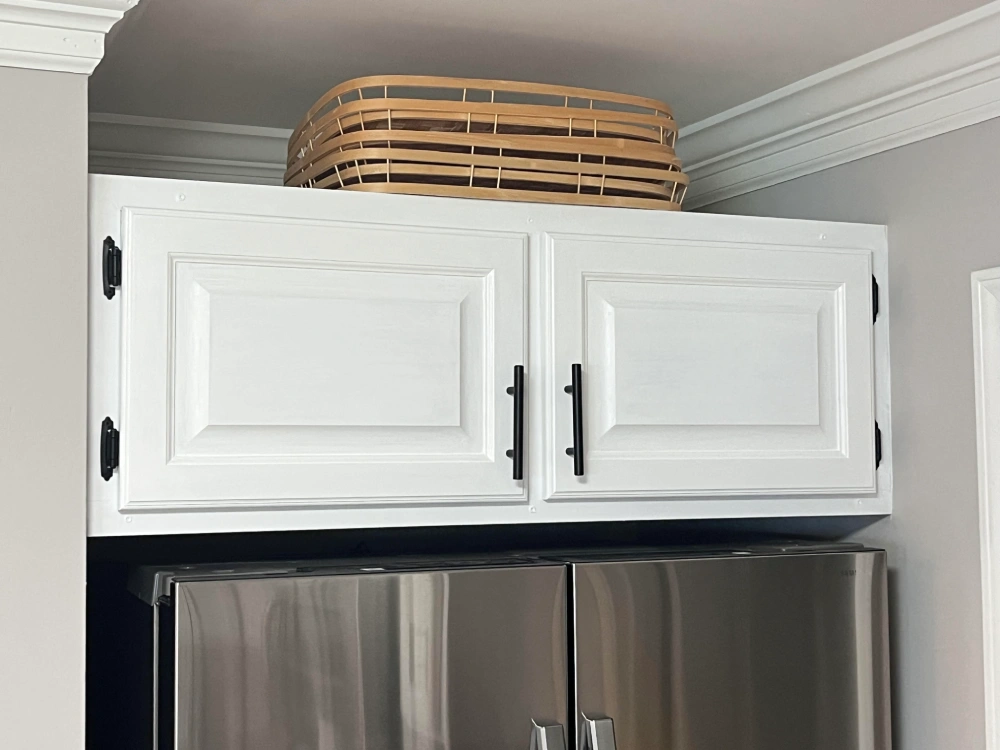
Paint is one of the most requested finishes, and it’s also the one most likely to generate a callback for something that isn’t actually a problem. Painted doors are still solid wood underneath, and wood behaves like wood no matter what’s on top of it. A client who hasn’t been told that will read normal wood movement as a defect.
This is a short conversation to have before install, not a long one to have after.
Painted Doesn't Mean the Wood Stops Being Wood
A painted door is still built from a solid wood frame, with either a solid wood or an engineered center panel depending on the species and construction chosen. Paint changes the surface. It doesn’t change the material underneath, and that material still expands and contracts with the seasons as humidity and temperature shift in the home.
That movement is normal in stained doors too. It’s just more visible on paint, because paint is a flat, uniform surface that shows small changes more readily than a wood grain finish does.
Say it like this
Paint changes the surface. It doesn’t change the material underneath.
Why It Shows Up When It Does
Wood movement tracks with the seasons, so the hairline seam line mentioned below tends to appear during the driest stretch of the year, typically heating season, when indoor humidity drops and the wood contracts slightly. It often becomes less visible again once humidity climbs back in warmer months. A client who’s told this in advance reads it as the house doing what houses do. A client who isn’t told reads it as something going wrong with their new doors.
Heating season, dry air
Wood contracts slightly. A hairline line can appear at a panel seam.
Warmer months, humidity back
The wood expands again and the line often becomes less visible.
A Misconception Worth Correcting
Because a painted finish looks smooth and manufactured, clients sometimes assume it behaves like a synthetic material, laminate or thermofoil, that won’t move at all. It’s worth correcting early: paint is a finish applied to real wood, not a substitute for it. A painted door will show some of the same natural behavior a stained door does. It’s just easier to see against a flat painted surface than against a wood grain finish.
Expected behavior
What's Normal
- A fine hairline line at the seam where a panel meets the surrounding frame, especially with solid wood panels. This comes from seasonal wood movement and typically becomes less noticeable as humidity levels shift back.
- Slight color or sheen differences from door to door, depending on light angle and coat build.
- Slight color or sheen differences from door to door, depending on light angle and coat build.
- Small touch-ups needed over time at high-contact points like handles and edges, from ordinary daily wear.
Worth a call
What Isn't Normal
- Peeling, bubbling, or paint lifting from the surface
- Cracking through to bare wood, rather than a fine seasonal line at a seam
- Uneven, blotchy, or inconsistent coverage across a single door
- Chipping beyond what normal daily use would explain
Lorem ipsum dolor sit amet, consectetur adipiscing elit. Ut elit tellus, luctus nec ullamcorper mattis, pulvinar dapibus leo.
Giving a client both lists, what’s expected and what’s worth a call, does more to build confidence than only mentioning the good news.
How to Set This Up With the Client
Script you can use, before install
“Your doors are painted, but they’re still solid wood underneath, so they’ll move a little with the seasons the way any wood product does. You might notice a faint line at a panel seam at some point. That’s normal wood behavior, not a paint failure. If you ever see peeling, bubbling, or a crack that goes into the wood itself, that’s when you call us.”
This does the same thing the wood variation conversation does: it turns a natural material behavior into something the client already expected, instead of something they discover on their own and worry about.
This conversation works best early, during selection or the quote, not after the doors are already on the wall. A client who chose paint because they wanted a clean, uniform look should also know upfront what “uniform” does and doesn’t mean on a real wood product. That’s a much easier conversation to have before they’ve picked a finish than after they’ve noticed a seam line and started wondering if they chose wrong.
Leave This With the Client
Use the attached expectations sheet as a leave-behind after the conversation. It’s written directly to the homeowner, so it holds up as a reference on its own, months after the installation is done and the details of your conversation have faded.
A guide for your home · Client leave-behind
Painted Wood Cabinet Doors: What to Expect
A quick reference for the months after your new doors are installed, so you know what’s normal and what’s worth a call.
What’s normal
- A faint hairline line at a seam where a panel meets the frame
- Slight color or sheen differences from door to door
- Subtle grain or seam texture visible in certain light
- Small touch-ups needed over time at handles and edges from everyday use
When to reach out
- Peeling, bubbling, or paint lifting from the surface
- A crack that goes into the bare wood, not just a fine seasonal line
- Uneven, blotchy, or inconsistent coverage on a single door
- Chipping beyond what normal daily use would explain
Why this happens
Wood naturally expands and contracts as humidity changes through the year, most noticeably during the driest months, usually the heating season. A hairline line at a panel seam is that movement showing through the finish.
Wipe, don’t scrub
Clean with a soft, damp cloth. Avoid abrasive pads or harsh chemical cleaners on painted surfaces.
Handle spills promptly
Wipe up moisture around sinks and dishwashers soon after it happens to protect the finish.
Mind the humidity
Extreme swings in indoor humidity increase visible wood movement. A steady indoor climate helps keep it minimal.
Provided by · Name / Company
Phone
Email
Get the expectations sheet
Want this ready to hand off after your next install?
Download the painted door expectations sheet to set clear
expectations and ensure a smooth, successful install.
On this page
Trade pricing
Professional pricing for qualifying pros
Contractors, remodelers, designers and cabinet shops can apply for Cabinet Doors Plus Trade Pricing.

Have a project question?
Talk to an actual member of our team about a product, measurement or order.
Keep reading
More pro resources
Ready when you are
Make Cabinet Doors Plus part of your next project
Custom cabinet doors and drawer fronts made to your exact measurements, with trade pricing and real support along the way.